Why Wedding Vows and Speeches Deserve to Be Preserved
October 17, 2026The Anand Karaj is more than the union of two people. It brings together two families, the sangat and the presence of Guru Granth Sahib. Photographing it needs patience, knowledge and deep respect.
Respect Comes First
Moments That Matter
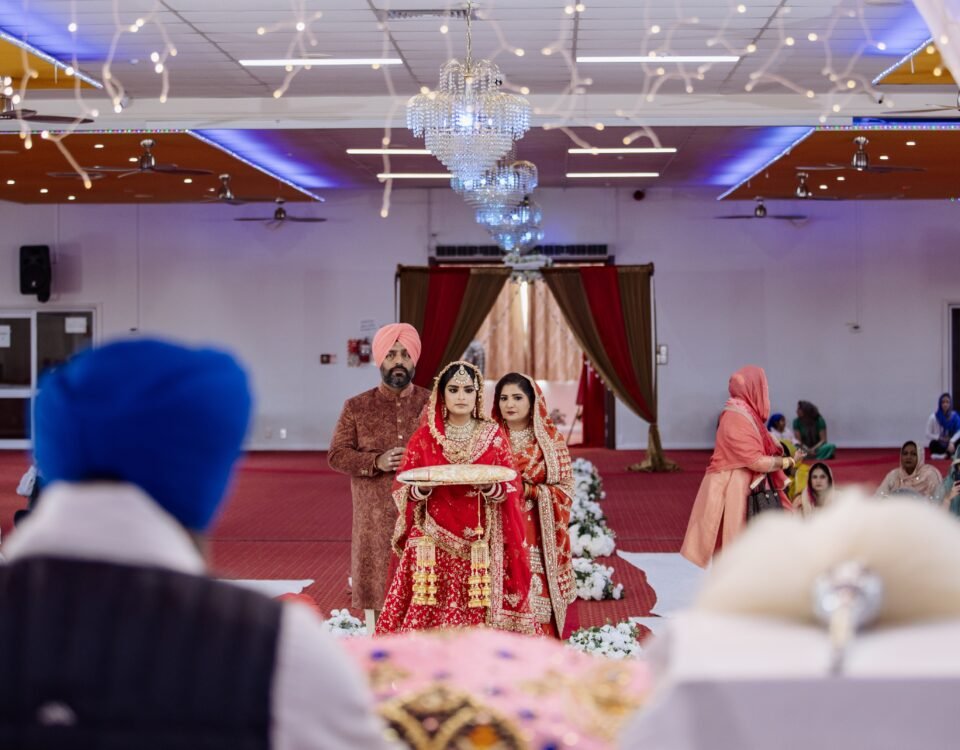
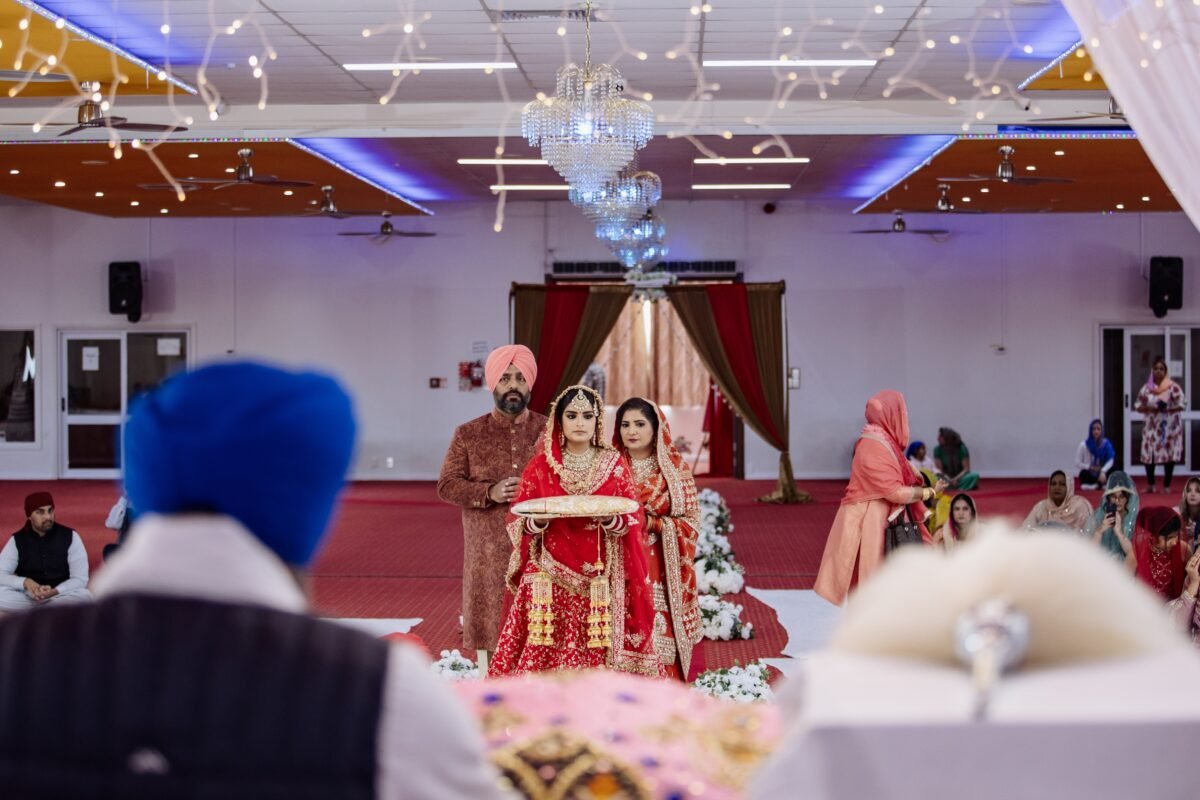
A good album tells a story. Your photographer should capture milni, the baraat’s arrival, the bride’s entry, the couple seated before Guru Granth Sahib, the four lavan, ardaas, detail shots (kalire, chooda, turban, kirpan, sehra, jewellery) and family portraits.
Handling the Light
Gurdwara halls often have mixed lighting. A skilled photographer uses natural light and wide-aperture lenses instead of flash, and keeps skin tones accurate and outfit colours vibrant. Ask to see a full Anand Karaj from a past wedding, not just highlights.
Prepare as a Family
Don’t Forget Candid Moments
The most loved photos are often unposed: a father wiping a tear, a grandmother’s blessing, cousins laughing at milni. Choose a photographer who watches the whole scene.
Choosing Your Photographer
Ask how many Anand Karaj they have shot, how they work inside a gurdwara, whether they have a backup photographer, and when you will receive your photos. Prefer someone who understands the ceremony over someone with just a pretty portfolio.
Reach out today and let’s talk about your dream shot.